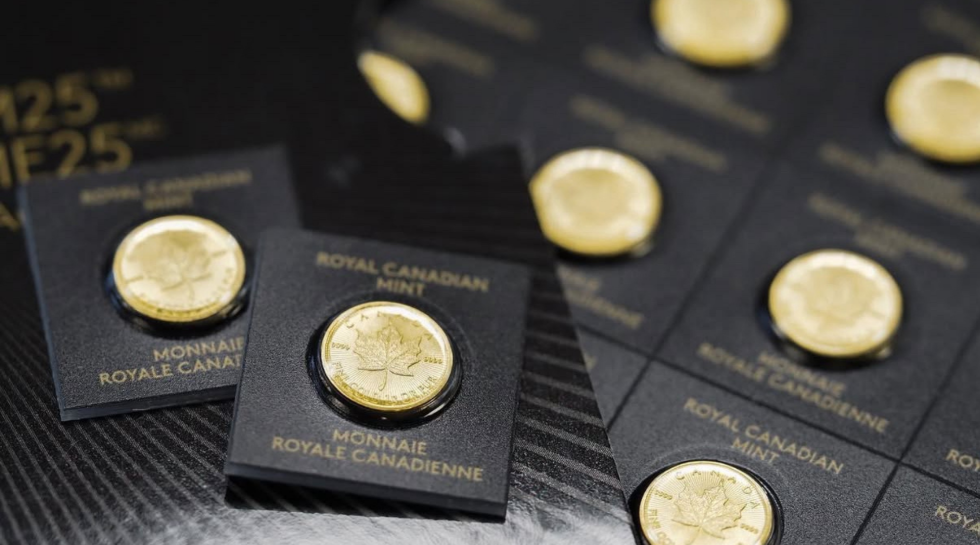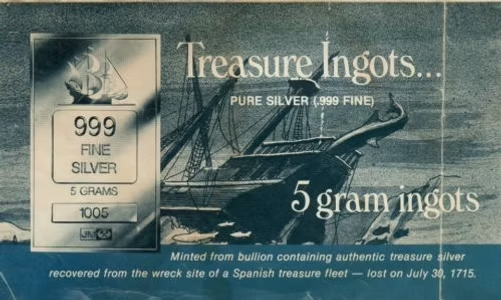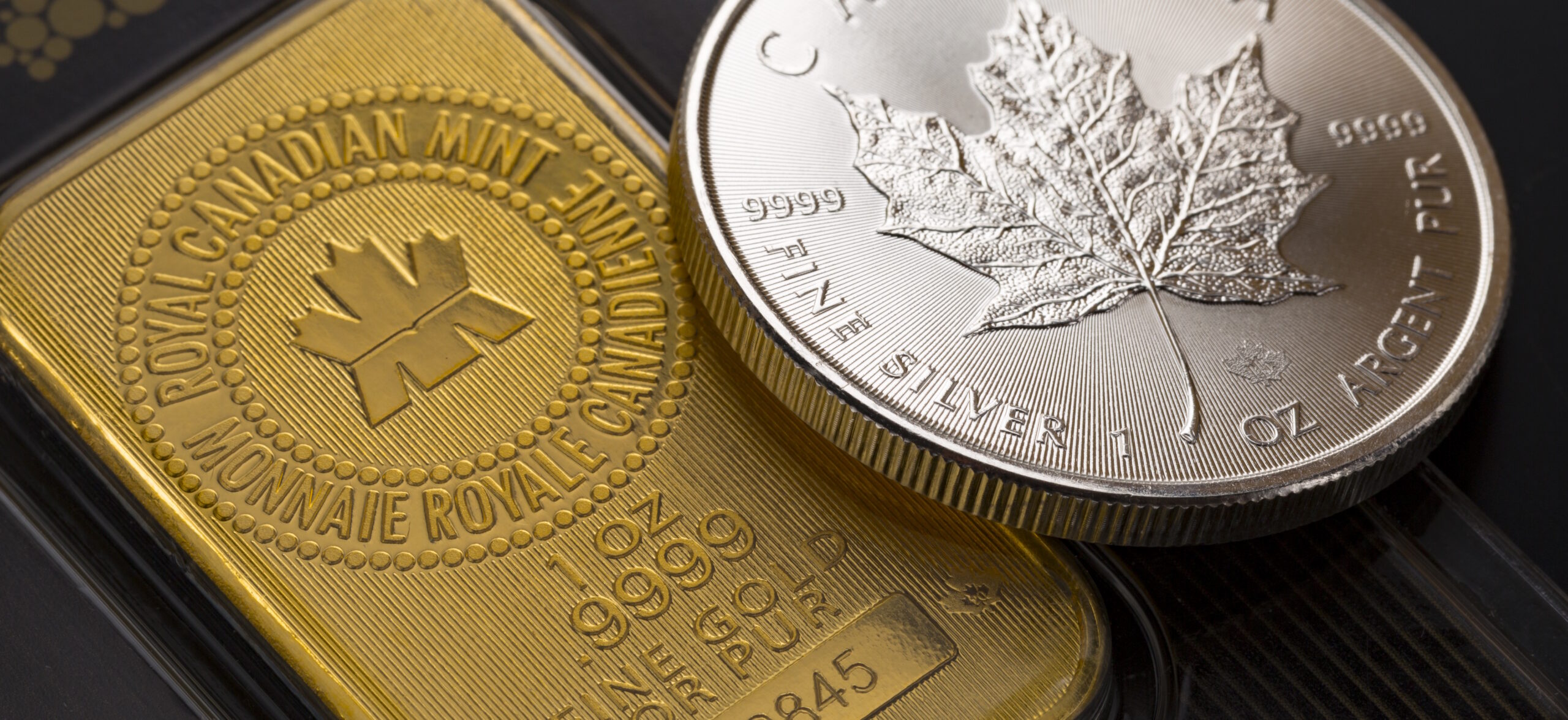
When you step into the wonderful world of precious metals, whether as a first time investor or an experienced buyer and seller, you will quickly encounter two terms: “Recognized” and “Unrecognized” bullion. While both may be made of pure precious metal, the differences – big or small – between them can have an impact on the offer you may receive for them.
The LBMA and Recognized Bullion
Recognized bullion refers to high-purity gold, silver, platinum, or palladium products (coins, bars or ingots) that are widely accepted by precious metals dealers and investors across the globe. Before beginning to understand the criteria that generally must be met to be considered in this category, we must first speak briefly about the London Bullion Market Associate (LBMA).
The LBMA is the international independent authority for the global precious metals market. Established in 1987 by the Bank of England, its primary functions revolve around setting industry standards for trading and refining. These include:
- The Responsible Sourcing Programme, which demands that refiners follow strict guidelines to combat money laundering, terrorist financing and human rights abuses.
- The Good Delivery List, which sets the standards for the quality, purity, weight and physical appearance of gold and silver bars. Refiners who meet these strict criteria may be included on this list.
- The Global Precious Metals Code is a set of principles that demands high standards surrounding ethical behaviour and conduct in the global precious metals market.
- Price Benchmarking: providing the global standard for precious metal values, the LBMA Gold Price and Silver Price are determined twice a day, at 10:30 AM and 3:00 PM BST.
Once refiners have met the high standards of criteria for the Good Delivery List, their products are able to be freely traded between market institutions. THE LBMA conducts annual checks to ensure refiners are continuing to meet their expectations and maintain their standing on the Good Delivery List.
The physical characteristics of recognized bullion primarily require a stamp showing the weight (e.g. 1 oz, 1 kg, 50 oz.) high purity (.999, 0.9999, etc) and mint or refiner mark (RCM, PAMP Suisse, Valcambi, etc.); a unique serial number is usually required for bars.
Because these items are from well-known sources, they are highly liquid. We can often resell recognized bullion quickly to other investors, allowing us to offer higher payouts closer to the live market “spot” price.
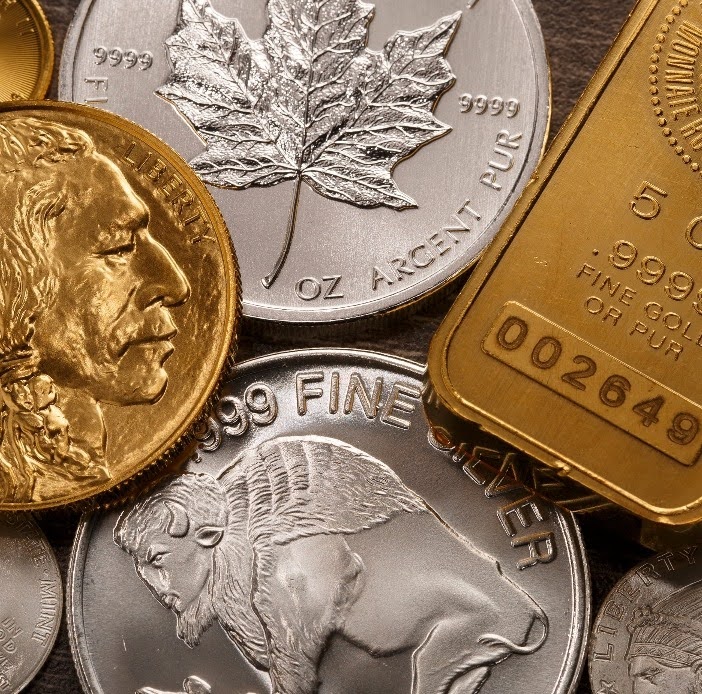
What is Unrecognized Bullion?
Unrecognized bullion includes precious metal items that do not fit into the categories above, and generally include:
- Themed Items: Bars or rounds featuring holiday greeting, unique pictures (animals, cartoon character depictions, annual celebratory milestones, etc.)
- Missing Markings: Items that lack a clear mint or official hallmark.
- Condition Issues: Bars that are underweight or too damaged to be reasonably resold to another investor.
- Unlisted Refiners, such as the Franklin Mint or NWT Mint.
While these items are still valuable for their metal content, they are usually destined for the refinery to be melted down and recycled into new products.
Pro-Tip: The “Carded” Advantage
In some cases, even recognized bullion can have variations in pricing. For example, 1 oz gold bars that are “carded” (sealed in their original assay tamper-evident packaging) may sometimes receive a slightly higher price than “uncarded” or loose bars of the same brand. The packaging provides an extra layer of immediate authentication for the next buyer.
Get a Free Evaluation
If you are unsure whether your items are recognized or unrecognized, the best step is to visit a local Canada Gold location. Our Precious Metals Analysts use modern, non-destructive testing methods to confirm the purity and weight of your items right in front of you.
We provide free, no-obligation quotes based on live market prices, ensuring you always know the true value of what you hold.