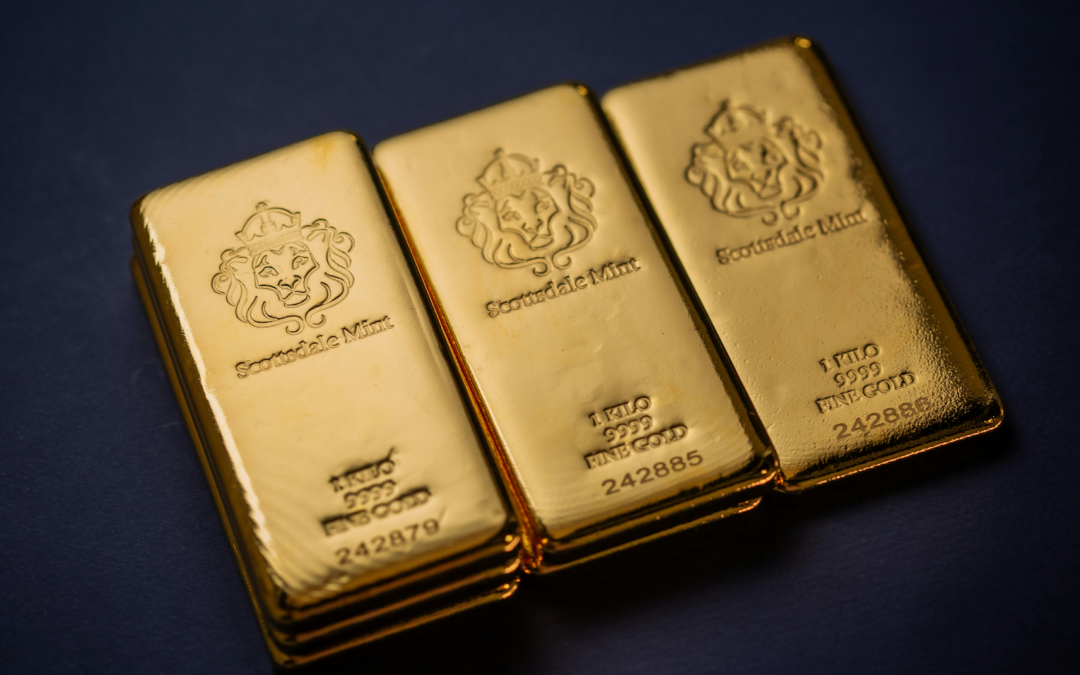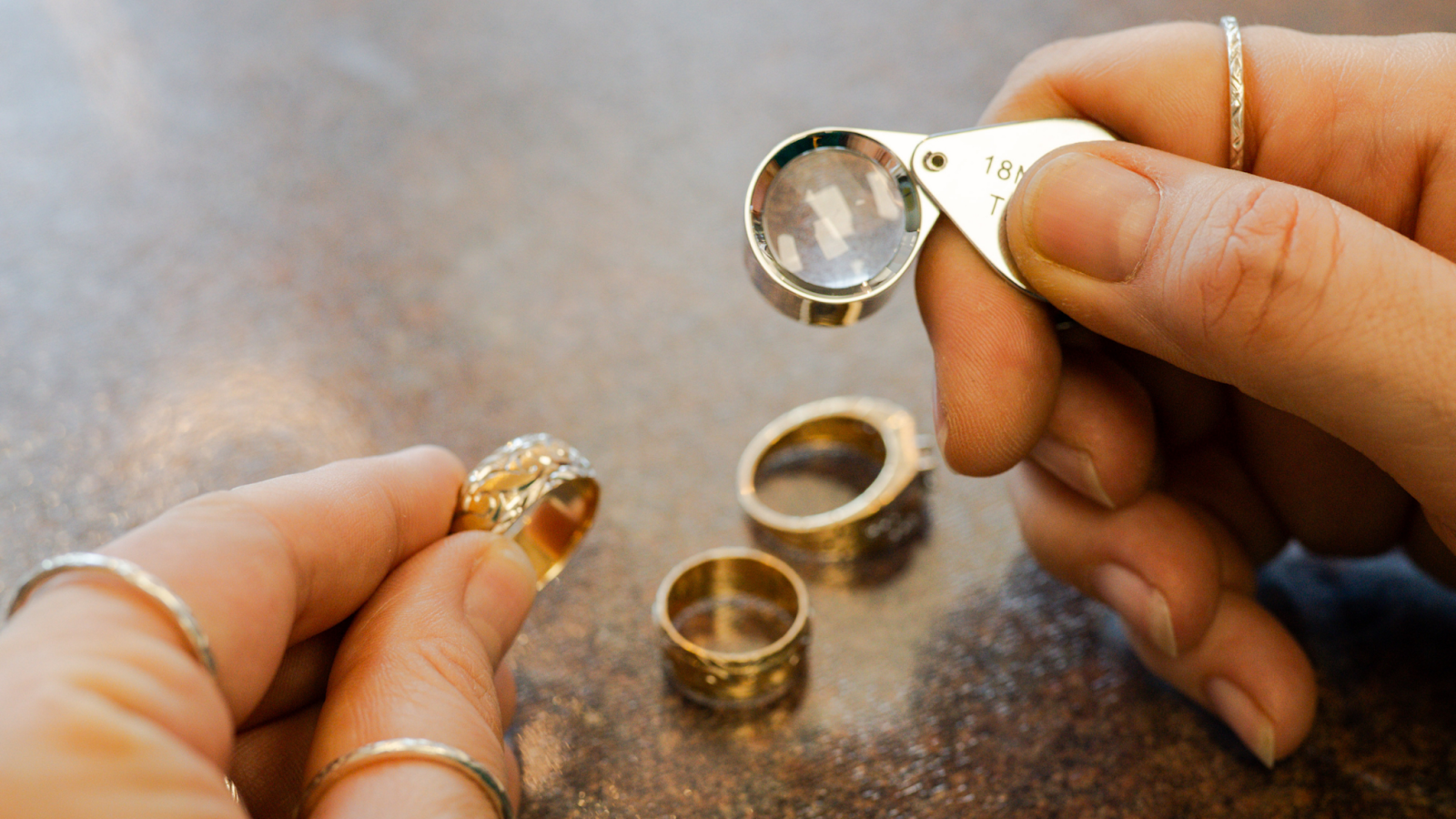
Gold has fascinated people for centuries. It represents value, history and craftsmanship, and many Canadians own gold in some form, whether that is jewellery, coins or bullion. A common question we hear in our stores is simple and understandable: How do I know if my gold is real?
The good news is that there are a few reliable ways to assess gold, and you do not need to be an expert to take the first steps. Here is what to look for and when it makes sense to bring your items to a professional.
Understanding Gold Purity
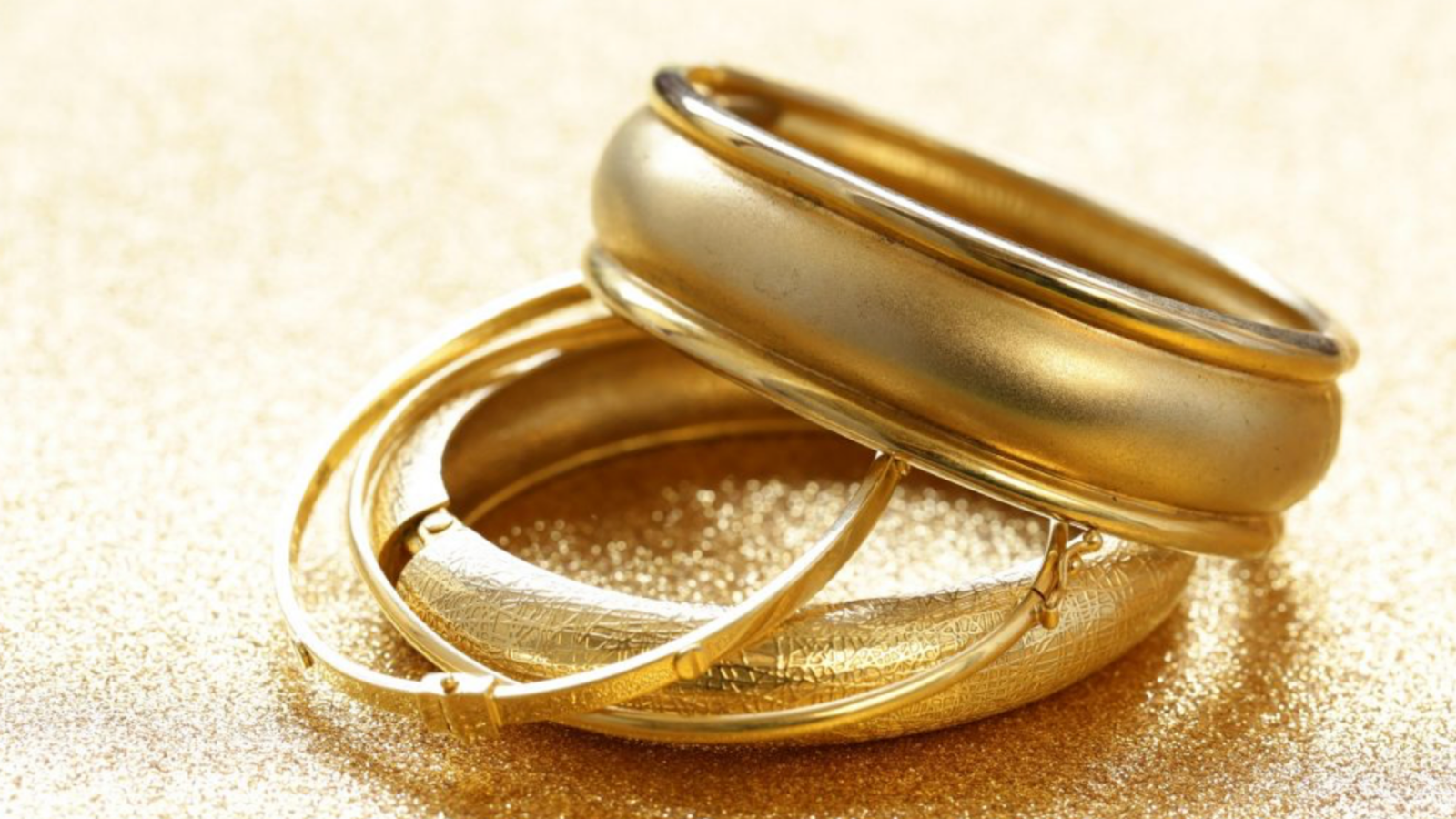
Gold purity is measured in karats. Pure gold is 24 karat, meaning it contains 99.9 percent gold. Because pure gold is very soft, it is often mixed with other metals to improve durability.
Common purities include:
- 24K: 99.9 percent gold, usually found in bullion and some coins
- 18K: 75 percent gold, often used in fine jewellery
- 14K: 58.3 percent gold, very common in everyday jewellery
- 10K: 41.7 percent gold, one of the lowest gold purities sold in Canada
Knowing the karat helps determine both value and use, but markings alone are not enough to confirm authenticity.
Visual Clues to Look For
A careful visual inspection can provide helpful clues, especially when combined with professional testing.
Hallmarks and Stamps
Most genuine gold jewellery is stamped with its karat purity, such as 10K, 14K, 18K or 24K. Some pieces also include a maker’s mark. While these stamps are useful, they are not foolproof. Stamps can wear down over time, and counterfeit markings do exist.
Colour and Wear
Solid gold maintains a consistent colour throughout. If you notice a different metal showing through at worn edges or scratches, the item may be gold plated rather than solid gold.
Weight
Gold is a dense metal. Pieces that feel unusually light for their size may contain little or no gold.
How Gold Is Tested Professionally in Canada
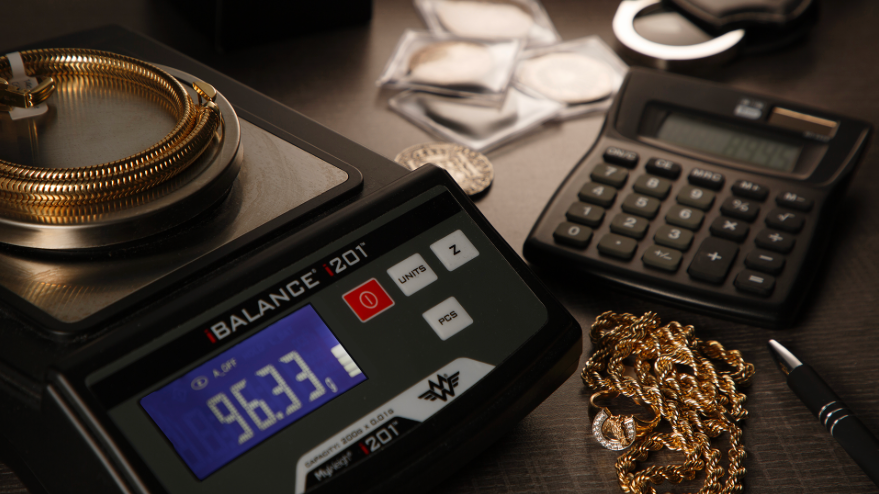
The most accurate way to determine whether gold is real is through professional testing. While visual clues and at-home checks can offer hints, they cannot reliably confirm purity or value.
At Canada Gold, we use a combination of testing methods, because no single test tells the full story on its own. Each item is assessed carefully and transparently, using tools that are standard across the precious metals industry.
Magnet Testing
Gold is not magnetic, so magnet testing is often one of the first steps. While this test alone cannot confirm purity, it can quickly rule out certain base metals and help guide further testing.
Acid Testing
Acid testing allows us to verify gold purity by observing how the metal reacts to solutions formulated for different karat levels. This method has been used for generations and, when done by trained professionals, provides reliable results. Any testing is done carefully and only when appropriate.
Density Testing
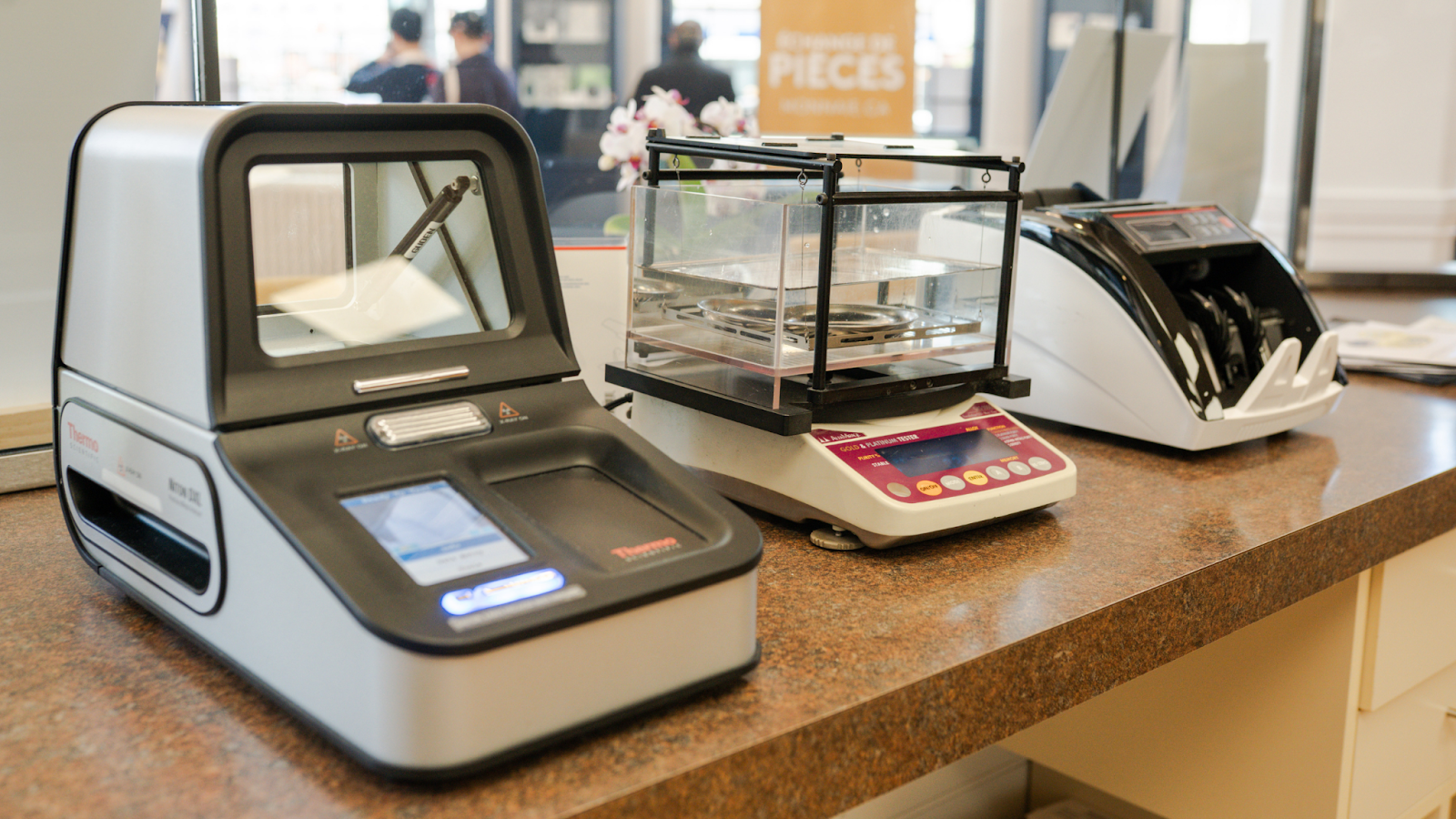
Gold has a very specific density. By comparing an item’s weight and volume, density testing helps identify whether the metal matches what we would expect from solid gold. This is particularly useful for coins and bullion.
X 射線螢光測試 (XRF)
XRF testing is one of the most advanced tools we use. This technology allows us to analyze the metal composition of your item quickly and non-destructively. It shows exactly what metals are present and in what percentages, without scratching, cutting, or damaging your piece.
Because XRF testing looks beneath the surface, it is especially helpful for identifying mixed metals, filled items, or pieces that may appear gold on the outside but contain other materials inside.
Using multiple methods together allows us to provide accurate, transparent results and explain them clearly. Customers can see what their item contains and understand how its value is determined.
Professional testing removes guesswork and pressure. Whether you are simply curious or considering selling, our goal is to give you clear information so you can make an informed decision that feels right for you.
When to Bring Your Gold In
If you are unsure about the authenticity of your gold, or if you are considering selling, professional testing is the best next step. Many customers are surprised by what they learn, especially with older jewellery, inherited pieces or items that have been sitting unused for years.
There is no obligation to sell. The goal is to give you accurate information so you can decide what makes sense for you.
Final Thoughts
Knowing whether your gold is real does not have to be stressful or complicated. With the right information and proper testing, you can feel confident about what you own and what it may be worth.
If you would like more information about how gold is tested in Canada or want to have your items professionally assessed, visit one of our Canada Gold locations or learn more on our website. Our team is always happy to help in a friendly, no-pressure environment.